
Why every Kerala home should still have a verandah
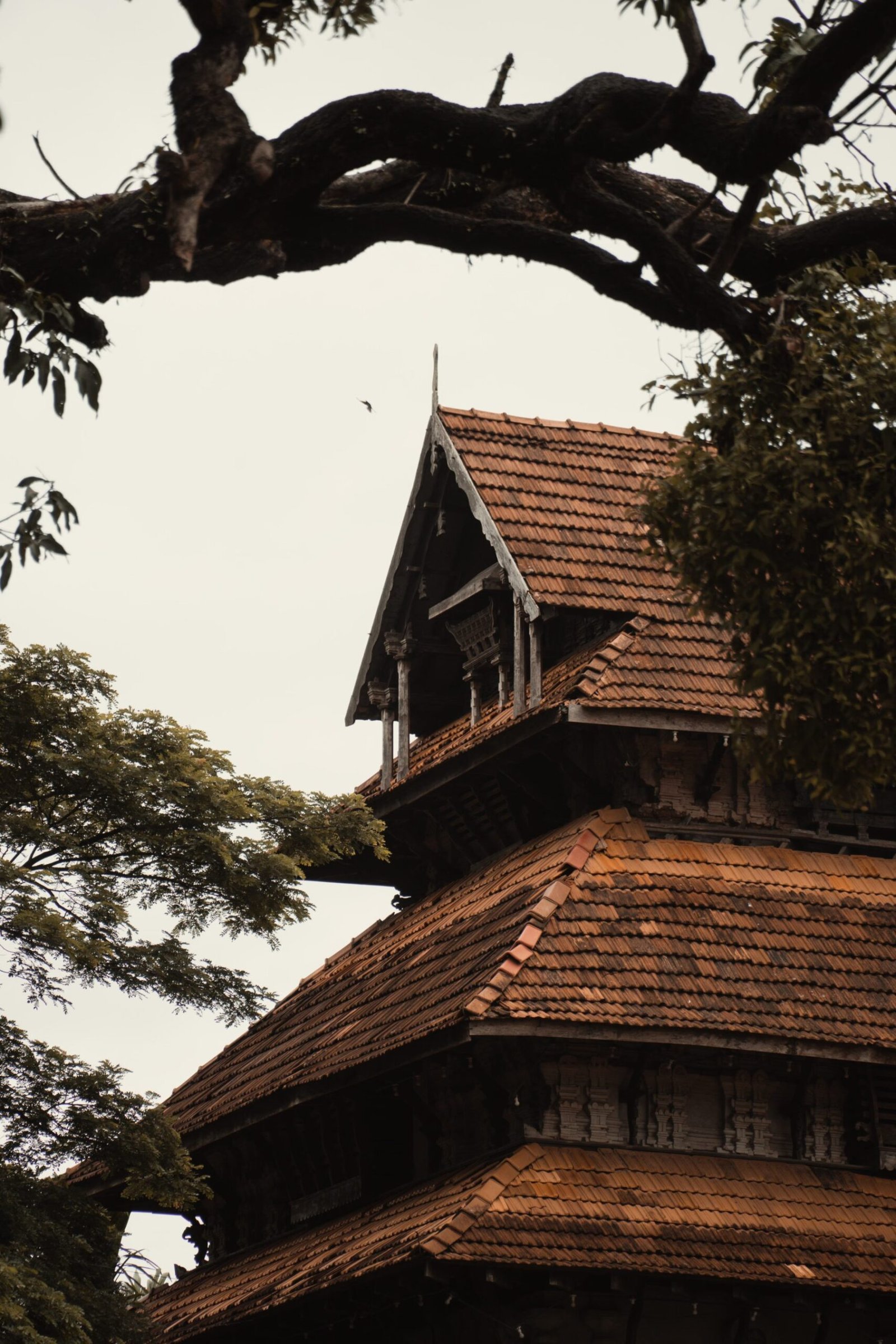
Ask anyone who grew up in Malabar where the best memories of home happened, and the answer is often the same: the verandah.
The verandah, or chuttuverandha, is Kerala’s original climate device. Its deep sloping eaves keep the monsoon rain away from the walls and the harsh midday sun off the windows. Its raised floor and open sides catch every breeze. And because it sits between the road and the house, it is the most generous room in the building: part porch, part living room, part public square.
A room that cools the house
By shading the outer walls and openings, a verandah reduces the heat that reaches the rooms behind it. Rooms stay cooler for longer, so fans and air conditioners work less. It is architecture doing what machines otherwise do, quietly and for free.
A room for people
A verandah invites neighbours to sit without needing to be invited in. It gives children a place to do homework in the light and elders a place to watch the street. It softens the line between private and public in a way that a sealed front door never can.
How we bring it into modern homes
In contemporary plans we treat the verandah not as nostalgia but as a working part of the design: deep enough to shade, wide enough to sit in, and connected to the courtyard or garden. It can be timber, laterite or concrete. What matters is the idea — a room between inside and outside.
If you are planning a home and want a verandah that works properly, tell us about your plot.