
Building for the monsoon: materials and details that last in Kerala
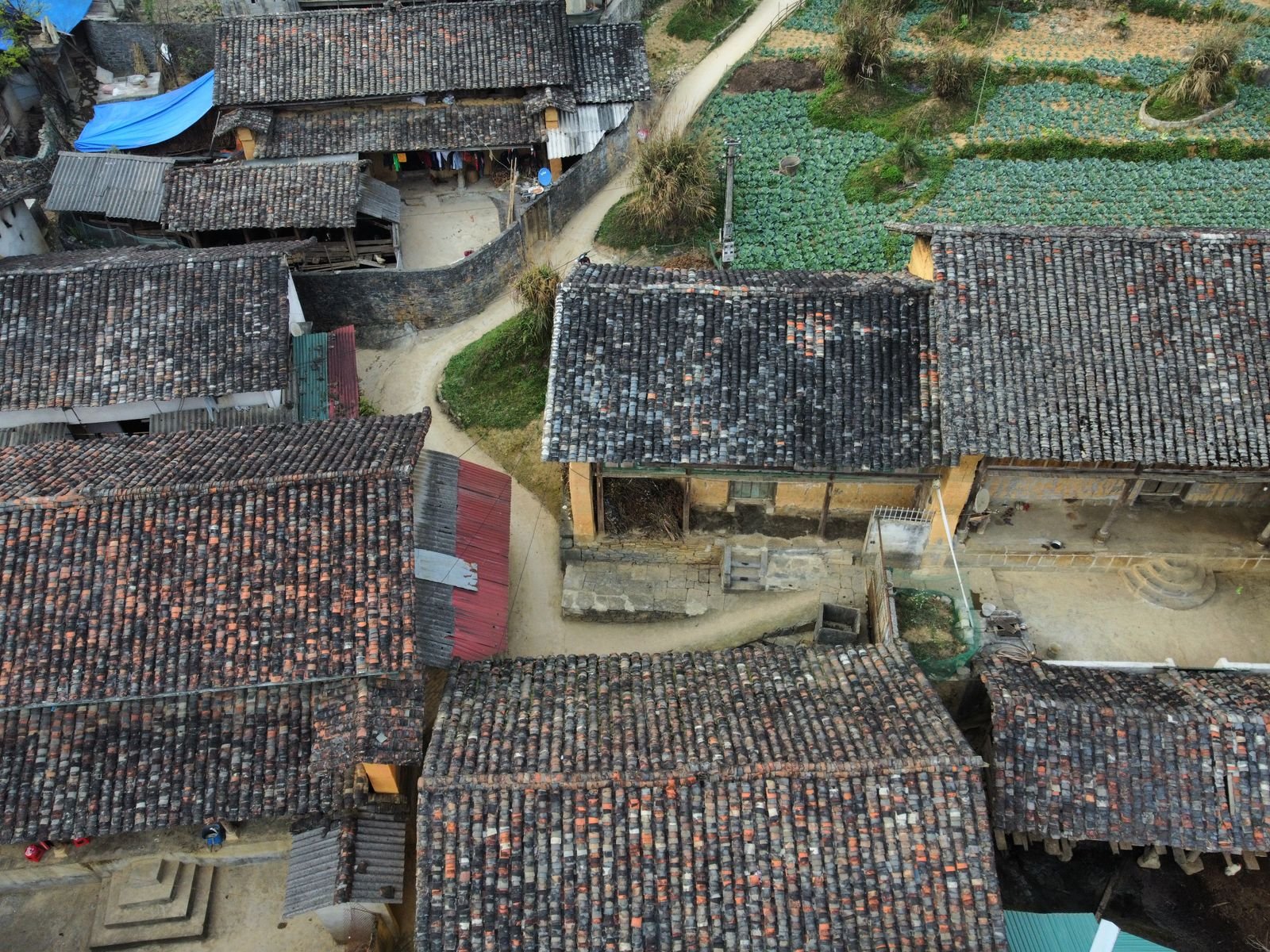
Kerala’s monsoon is beautiful and brutal. The best homes here are designed to shed water quickly, dry out easily and use materials that shrug off humidity.
- Roof form, eaves and drainage are your first line of defence
- Waterproofing details matter more than brand names
- Choose breathable, moisture-tolerant materials
Start with the roof
Sloping roofs with deep eaves shed rain quickly and protect the walls. Where flat slabs are used, proper falls, quality waterproofing and well-detailed drainage outlets are essential.
Protect the walls
Deep overhangs, drip edges, plinth protection and quality external paint keep water off masonry. Lime and mineral finishes let walls breathe and dry out between showers.
Foundations and damp-proofing
A proper damp-proof course, good site drainage and raised plinths stop moisture rising into walls. Grade the ground away from the house rather than towards it.
Materials that perform
Laterite, burnt clay tiles, well-treated timber, lime plaster and quality vitrified or stone flooring all cope with humidity. Untreated timber, cheap laminates and unsealed boards swell and decay.
Detail the openings
Windows and doors need sills, drip grooves and proper flashing, and timber should be sealed on all sides before installation.
Ventilate to keep mould away
Cross-ventilation, openable high windows and gaps in built-in furniture keep air moving so mould and mildew have no chance to settle.
Maintain before the rains
A short annual routine before the monsoon: clearing gutters, checking roof joints, repainting exposed timber, saves far more than it costs.
Want a home that stays dry, cool and beautiful through the monsoon? Talk to our design team.